We are currently experiencing a tsunami of confusion, forgetfulness, amnesia and memory impairment. America alone records some 28,800 new cases of dementia – the umbrella term for cognitive impairment including Alzheimer’s disease – every single day.
That adds up to 6.9 million US citizens currently suffering from dementia, which in turn represents 1 in 9 Americans – 10.9 percent of the entire population. Estimates predict that some 42 per cent of people over 55 will go on to develop the disease.
The UK is fast catching up. Some 982,000 people – 1 in 14 people over 65 – currently live with dementia in the UK, with 1 in 3 people expected to develop the condition in their lifetime.
In fact, in both countries, Alzheimer’s has now kicked off heart disease and cancer to claim its place as the current leading cause of death.
Despite the unimaginable profits to be made, Big Pharma just hasn’t been able to crack this particular nut.
The major drugs they’ve used for dementia, whether cholinesterase inhibitors (donepezil, rivastigmine or galantamine), NMDA receptor antagonists (memantine) prescribed for advanced stages, or even latest ‘breakthrough’ anti-amyloid monoclonal antibodies (lecanemab and donanemab), which clear amyloid plaques in early-stage Alzheimer’s, all work very short term and none finally reverses disease progression.
In fact, the new drug also comes with major side effects, like brain bleeds, which of course could cause a stroke.
What nobody is asking is the most basic of questions: why do we have this giant worldwide wave of dementia cases?
The answer is simple: our modern lifestyle practices are starving our brains.
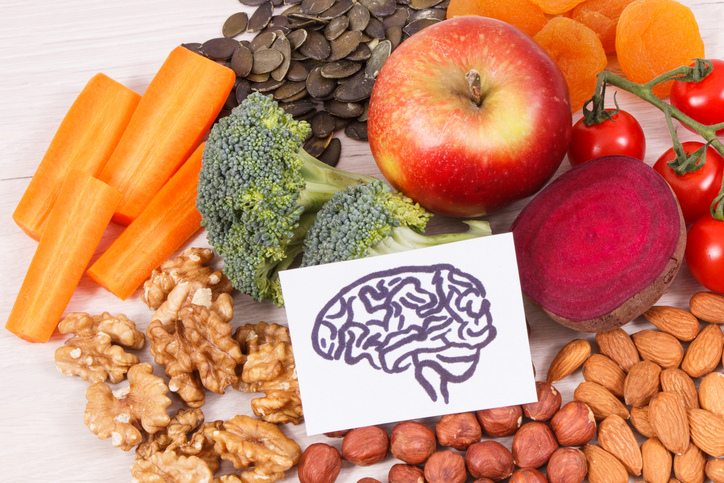
One of the most important and neglected foods for the brain is fiber.
Fiber is a whole component of food, whether from plants or animals, that is generally not digested by our digestive enzymes. While we’ve long known that having enough fiber is essential to healthy digestion and elimination, most doctors don’t recognize the essential role that fiber plays in brain health.
First, fiber in food helps to regulate the absorption of sugar and maintain steady insulin levels by slowing sugar absorption in the bloodstream. This regulatory role also prevents insulin levels from spiking and so helps to prevent inflammation and dysfunctional mitochondrial activity in the cells, both of which can harm cognitive function.
Dr David Perlmutter, a neurologist and best-selling author of Grain Brain (Little, Brown Spark, 2013), calls fiber “one of the most important players in brain health.”
The reason, he says, has all has to do with microglial cells, the resident immune-system cells of the brain and spinal cord. Comprising some 5-10 percent of the central nervous system, these little cells are ingenious multi-taskers: sentinels, keeping an eye out for germs or damage; housekeepers, ingesting or sweeping away dead, damaged or harmful cells; gardeners, trimming away excess brain connections, ensuring healthy brain wiring; and healers, repairing damaged tissue.
In Perlmutter’s view, microglia are “among the brain’s greatest defenders.”
The big problem is when they go wrong, they become chronically hyperactivated and can drive inflammation, degeneration and general brain dysfunction.
Besides dementia, hyperactivation of these little cells appears to be behind Parkinson’s disease,amyotrophic lateral sclerosis (ALS) and a host of other neurodegenerative diseases.
The main reason that microglial cells go awry? Not enough fiber and gut microdiversity from fiber-rich foods like fresh fruits and vegetables, nuts and legumes, and not enough fats.
So now we come to the nub of the epidemic in brain decline. Modern Western diets are filled with processed foods, which are high in sugar and low in healthy fiber. Fat has wrongly been fingered as the culprit in heart disease, and most people over 55 are prescribed statins and a low-fat diet in the mistaken belief that cholesterol causes heart disease.
And with the popularity of Paleo and keto diets, which cut out all grains and sometimes legumes, proponents need to ensure they are getting a wide variety of plant and animal foods to create greater biodiversity in the gut.
All this adds up to a case of brain starvation.
Preventing and healing dementia may be simply a matter of eliminating sugar and getting enough fats and fiber, the very two food groups that are being cut from the average diet by false claims about fats and heart disease, the universal use of statins, and poor gut diversity.
Lab studies even show that increasing fiber can reverse microglial dysfunction and potentially prevent and even reverse the brain damage it causes.
Bottom line is just this: feed your gut and you feed your head.
More information about the best fiber to feed your brain will appear in our September issue of What Doctors Don’t Tell You, due out in two weeks.