It’s a rare day that we don’t read something about maintaining a healthy gut with maximum microbiome diversity. The usual recommendation is a one-size-fits-all prescription to eat certain foods, take certain probiotics, and stock up on sauerkraut or kimchi.
And while we endlessly hear about the importance of that colony of good-guy bacteria in our gut and the danger of a “leaky gut,” we receive a good deal less information about what exactly those bacteria do and how central these bacteria are to two of our body’s vital systems: hormones and the immune system.
For instance, there is such a thing as the “estrobolome,” a batch of gut bacterial genes that are involved in estrogen metabolism and modulation and are even capable of breaking down or reactivating certain estrogens in the gut.
This network of bacteria acts as the primary regulator of the body’s circulating estrogen levels by determining how much estrogen is either to be reabsorbed into the bloodstream or safely excreted.
Once estrogen is conjugated (“packaged”) and carried by the bile, much of it is heading for the colon and elimination. But the gut microbiome can determine whether some of these estrogens are “unboxed” and sent back into circulation, increasing the risk of hormonal imbalance. Certain enzymes released by these gut bacteria influence the process.
Besides affecting hormone levels, the gut microbiome is a powerful instructor of the immune system. By producing certain short-chain fatty acids like butyrate, acetate and propionate, the bacterial colony uses them as, essentially, a telephone network to communicate with the rest of the body.
These fatty acids help to maintain the integrity of the intestinal barrier but also to determine the immune system’s tolerance of outside substances and regulate its inflammatory pathways.
In this way, the microbiome instructs immature immune system cells in early life about which substances are good for the body or neutral (like necessary foods or harmless environmental substances) and which are potentially harmful.
This education continues throughout life, and when it works well and symbiotically, the body develops immune tolerance, responding appropriately to both harmful and harmless substances.
But if something interrupts this delicate balance, the immune system begins to overreact. Then people begin to experience allergic responses, such as asthma and eczema, to ordinarily harmless substances, whether pollen in the air or foods like dairy or wheat.
The usual culprit is always thought to be an overproduction of histamine but the cause is far deeper. This important signaling molecule is essential to a range of important biological functions, including the production of stomach acid and even wound healing.
But if something sparks production of histamine far faster than the body’s ability to regulate it, a person suffers the usual symptoms of sneezing, itching, digestive problems and more.
In fact, the inability of the body to break down histamine in the gut appears to be the central cause of eczema, demonstrating that the microbiome plays a central role in regulating (or not) immune system responses and inflammation.
We’re now learning that the gut is the central player in maintaining maximum immune system tolerance, not just because it maintains gut wall integrity but because its colony of bacteria is made up of groups that either produce histamine or help to break it down. Hence why it is so essential to maintain a healthy ecosystem in the gut and why a healthy gut consists of far more than just a load of diverse microbes.
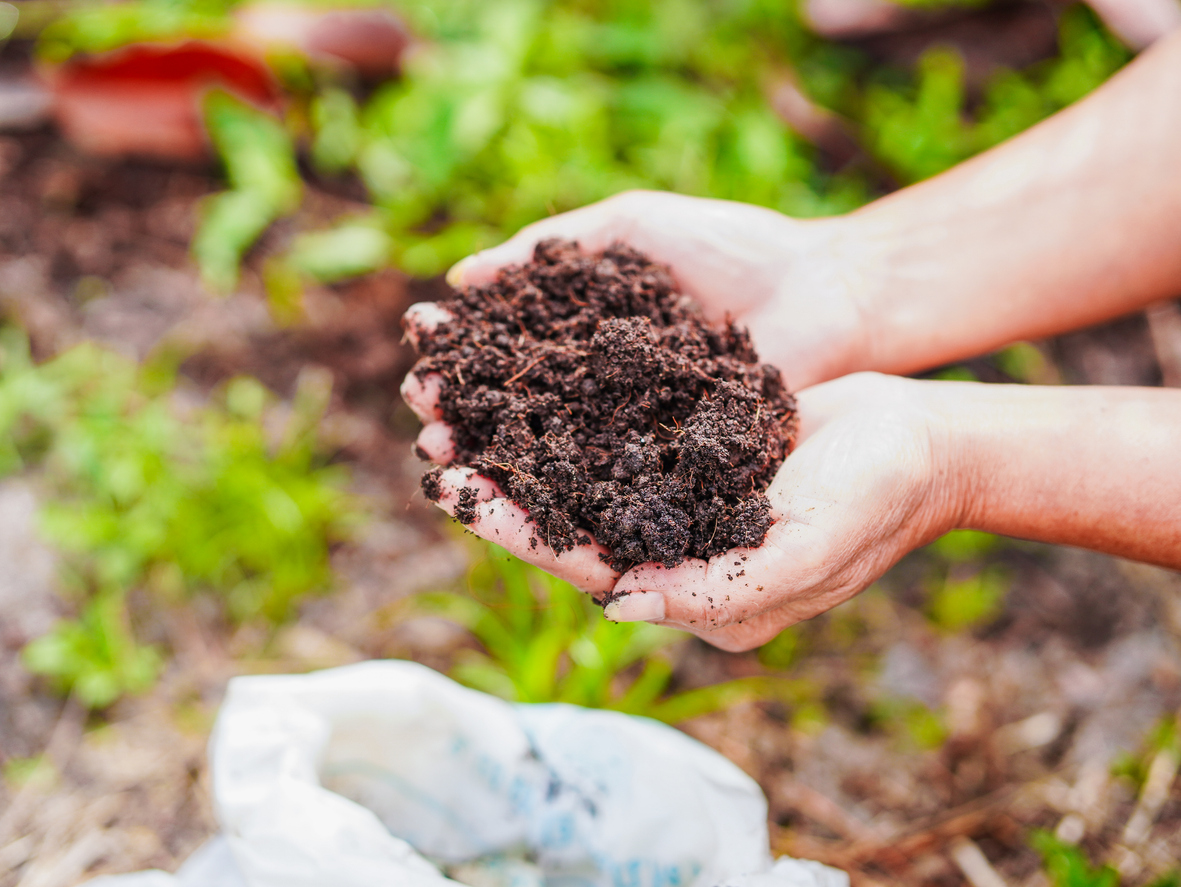
Our outside environment also plays a part, not only drugs we take but the nature of the food we eat and whether we are regularly exposed to the natural world and its vast array of environmental microbes in soil and plants.
What this all means is that there is no universal way to achieve a healthy gut and there is more to achieving a flourishing microbiome than taking a good probiotic.
One person’s healthy prebiotic can be the source of another person’s severe allergy. For instance, many prebiotics like kimchi, which contain a load of histamine, can provoke allergic responses in the susceptible. While kimchi also contains good probiotics, the allergic response may override that benefit in some people.
Numerous studies show that today’s children, who spend inordinate amounts of time indoors, often aren’t exposed to the bacterial diversity found in nature, causing them to have hugely lower microbial diversity and low levels of the kinds of bacteria that help with immune regulation. Studies have shown that children suffering from multiple allergies improve greatly with simple exposure to these natural colonies in the out-of-doors.
Besides eating unprocessed food, cooking from scratch, having adequate fiber and avoiding drugs whenever possible, there is one all-important all-purpose recipe for a healthier gut: Get away from your screens more often and get yourself outside.