When it comes to hormones and the need to supplement with them, all we tend to hear about is estrogen. For decades women have been told that after menopause, they basically can’t manage without extra hormones like estrogen and progesterone.
Despite overwhelming evidence that hormone replacement therapy (HRT) can cause cancer, the latest a Lancet study concluding that 1 in 20 cases of breast cancer is caused by the combo estrogen/progesterone variety, doctors are still prescribing it like mad, drug companies are doing their best to dance around the evidence and celebrities continue to trumpet its use (a number going on to get breast cancer).
In the past few decades, it’s now men are now being encouraged to get hormone therapy – and small wonder. We’re in the midst of a global testosterone crisis. Current testosterone levels are less than half of what they were in the 1970s and consequently, sperm counts are down more than 50 percent too.
Many factors account for these plunging figures: fast foods, toxic metals and plastics, smoking and vaping, long bouts of sitting and many drugs like antidepressants, statins and steroids.
When testosterone lowers once they hit midlife, many men suffer a type of man-opause, with symptoms ranging from insomnia, plummeting libido and sexual function, lower bone density and muscle mass, plus low energy, even depression. Low testosterone can even bring on type 2 diabetes and cardiovascular disease.
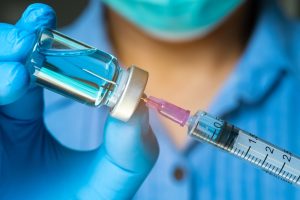
Eyeballing another potential income stream, drug companies have produced a range of testosterone replacement therapy (or TRT), either a ‘bio-identical’ or synthetic version of testosterone to replace ailing hormone levels.
In fact, both types are actually synthetic, produced in a lab test tube. So-called ‘bio-identical’ testosterone is made from diosgenin (derived from soy or yams), which is then tweaked to exactly mimic the body’s own chemical formula of testosterone.
Other drug companies produce a modified version, starting out with the base chemical formula from diosgenin or a synthetic steroidal compound like androstenolone and modify them, enabling them to be taken orally without being broken down by the liver.
But testosterone replacement isn’t just for the boys. Although we think of testosterone as being purely male and estrogen and progesterone female, both sexes need some of each. In women, testosterone is produced in the ovaries and adrenal glands, and although levels don’t plunge the way they do with traditional female hormones after menopause, levels can decline over time, contributing to conditions from obesity and type 2 diabetes to heart disease and Alzheimer’s.
Women given TRT typically get e 1/20th the dosage of bio-available hormone given to men in a carrier gel to be rubbed on the body.
Despite claims of safety, questions have been raised about potential risks of heart disease, strokes and even prostate disease with TRT. Two studies – one showing that patients on TRT had more than four times the number of cardiovascular-related adverse events, another that nearly 25 percent more patients given testosterone had cardiovascular events or stroke after three years – led to a black box warning on the drug by the US Food and Drug Administration in 2015.
A large-scale randomized double-blind British study in 2023 study swept away all concerns after showing no increase in major heart or prostate related effects. But the trial was only conducted for 27 months, whereas the other studies examined effects after three years or more, and it may be that adverse effects take longer than two years to develop.
What the study also didn’t trumpet was that patients treated with testosterone may not have had higher heart disease, but they had a higher incidence of pulmonary embolism (which could lead to stroke) plus atrial fibrillation and acute kidney injury.
Largely because of the low dose, women don’t suffer the same serious side effects as men, but can develop acne or oily skin, and increased hair on the face and body.
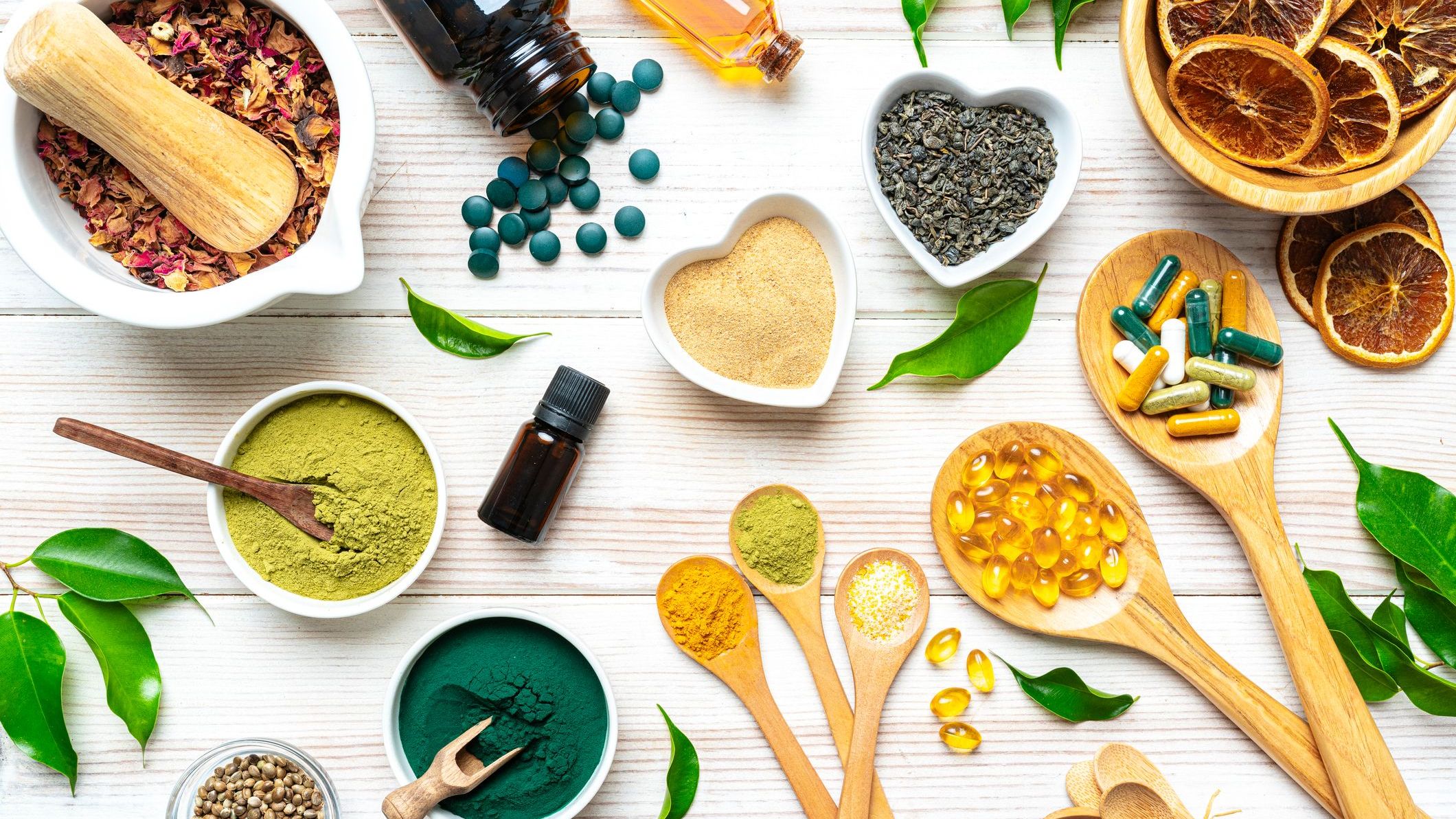
But you don’t need to take the risks of TFT to restore your hormones to normal levels. Avoiding certain drugs, plastics and heavy metals, regular detoxing plus a range of foods, supplements and natural substances that can help restore healthy levels in both men and women.
Adequate levels of zinc and magnesium are essential for testosterone and lacking in most modern food, and taking supplements of both minerals have been shown to boost sperm count and fertility.
Besides those two vital minerals you can also try these three herbs, all from Ayurvedic medicine and proven to boost testosterone levels in scientific studies. Ashwagandha (Withania somnifera), the well-known adaptogen, can boost testosterone levels after just two months, Fenugreek has shown boosts in both total testosterone and free circulating levels, as can shilajit, a gummy resin from the Himalayas, which is gaining a big following.
Men can learn from the bitter experience of so many women got cancer, strokes and more from HRT. The T pill may make you feel good now, but you’re likely going to pay for it later.