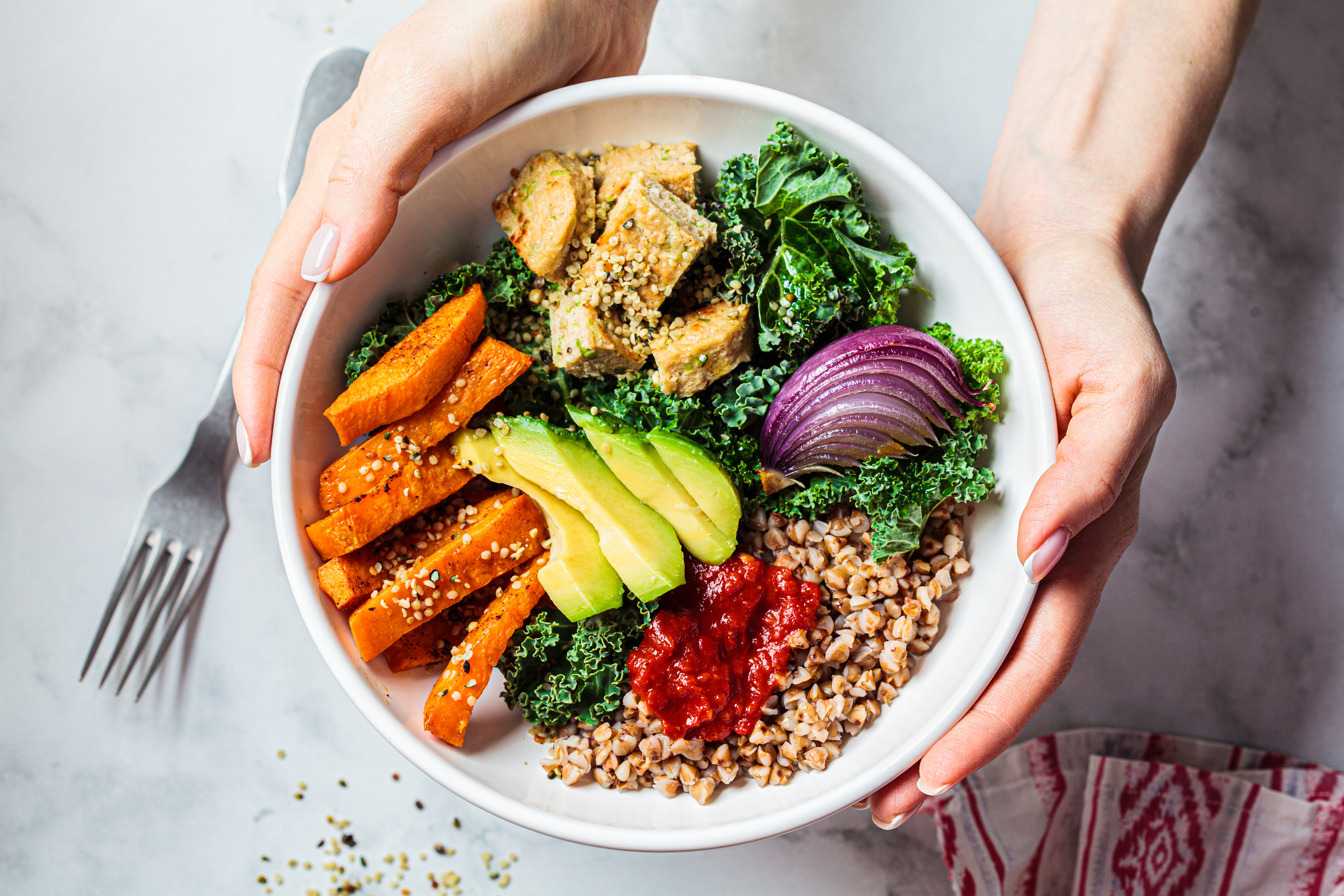
For at least 70 years, the West has been consumed by the notion of healthy eating, but what exactly constitutes ‘health foods’ has been a highly moveable feast, with a new theory emerging with each new decade.
Ever since Ancel Keys published his Seven Countries studies in the 1950s to determine the source of heart disease, the consensus has been that a high fat diet and high blood cholesterol are the primary culprits of heart disease.
Most significantly, Keys’ partial research (conveniently eliminating further evidence from nine other countries that didn’t support his theory) spawned the entire low-fat industry and the notion that saturated fats caused the build-up of cholesterol in the blood.
To this day, most of mainstream medicine still supports the fat-are-bad-for-us theory, encouraging anyone over 50 to take statins as a preventive measure.
What was considered gospel for all those decades is now being debunked by new evidence showing that cholesterol and fats are essential to brain health and that statins and low-fat diets (often full of highly processed ‘healthy’ alternatives) may be responsible for the current epidemic of dementia and Alzheimer’s disease.
In the last decade, carbohydrates have become the demon food group. Those in the vanguard of healthy eating have ditched low-fat, added back meat and saturated fats, and are now minimizing all the white stuff – potatoes, white rice, processed foods of all sorts – sticking to low-glycemic foods that convert into sugar slowly.
At the centerpiece of high protein, low carb eating is plant foods: dark greens like spinach, sweet potatoes instead of the white variety, plus nuts, especially almonds, and for treats, dark chocolate with cocoa content of 70 percent or more.
Every last book on diet and nutrition now emphasizes drinking regular green smoothies, packed with almonds, chia seeds and protein powder in the morning; baking with almond flour instead of wheat flour; consuming lots of legumes; and filling your plate with dark leafy greens. But this too can be a recipe for ill health.
Many of these so-called superfoods contain high levels of a substance called ‘oxalates’ (the common name for oxalic acid), a naturally occurring substance present in many plant foods like leafy greens, nuts, and soybeans and other legumes.
When consumed in high amounts, this anti-nutrient can bind to calcium during digestion, preventing absorption of vital nutrients and causing a raft of problems, from joint pain and irritable bowel to skin issues, sinusitis and, most problematically, kidney stones.
The toxicity of oxalates is nothing new. Oxalic acid was used in the 1700s as an industrial substance and cleaning powder, and 200 years ago, medical reports discussed cases of accidental poisoning with it – some even causing kidney failure. In the mid-1800s, doctors connected oxalates with everything from fatigue and bladder pain to arthritis.
Nevertheless, in modern times, only doctors those specializing in kidney disease have made the connection between kidney function and high oxalate foods since three-quarters of kidney stones contain calcium oxalate.
It’s been left to arcane organizations like the Vulvar Pain Foundation to make the link between high oxalate foods and disparate problems such as genital pain and itching, irritable bowel, fibromyalgia, interstitial cystitis and various skin conditions
Our dear friend Arielle Ford, a relationship expert and the bestselling author, first put us onto this silent and little known poison. Arielle was careful with her diet, downing green protein drinks every morning, substituting sweet potatoes for white potatoes, which have a higher sugar content, eating plenty of almonds, dark leafy greens and dark chocolate – all the things that are supposedly good for you.
And yet she was mystified: with such clean eating, why did she have such a bad gut and constant insomnia?
In her search for a cause, she came across a book called Toxic Superfoods (Rodale Books), written by Sally Norton. Even as a student studying nutrition at Cornell University, Norton, a committed vegetarian, was plagued by joint and muscle pain, an irritable bowel, exhaustion, genital burning, insomnia and excruciating gout.
After researching the effects of oxalates on the cellular level of the body, Norton slowly weaned herself off her high oxalate foods and her health transformed in two weeks.
After reading her book, Arielle also ditched her high oxalate superfoods and all her symptoms disappeared.
If you are eating healthily and suspect high oxalate foods may be at the root of one or more of your health problems, it’s important to wean yourself off the foods slowly so you don’t cause oxalate ‘dumping,’ which can make your symptoms worse. And if you don’t eat dairy, make sure to take a calcium supplement, which will bind to any excess oxalic acid.
Food fashions come and go – but so, apparently, does knowledge in medical science. The fact that the long-known dangers of high oxalate foods are only coming to light now is nothing short of scandalous.
This isn’t an argument against eating fresh organic food or returning to processed, high sugar foods. But if you’re struggling with health issues and you suspect oxalates are to blame, go ahead and eat your greens. Just be careful which you choose and watch your total oxalate load.